
Spotlight on: Lake Macquarie
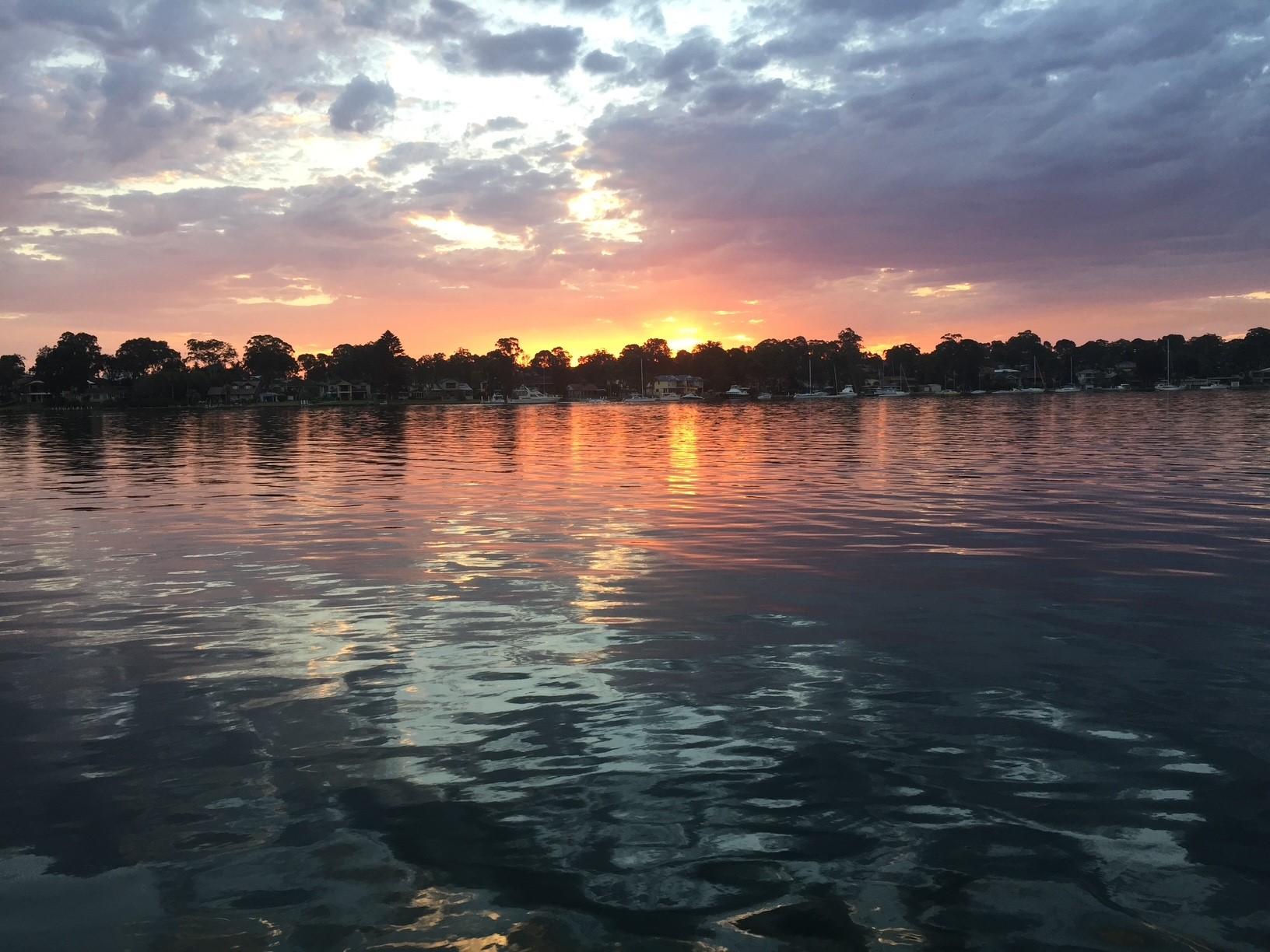
Located 150km north of Sydney, the City of Lake Macquarie is the largest local government area in the Hunter region. It’s home to approximately 220,000 people and is Australia’s largest coastal lake, being twice the size of Sydney Harbour.
The land around Lake Macquarie is the traditional country of the Awabakal people, who have lived in the area for over 8,000 years. The Awabakal name for the lake is ‘Awaba’, meaning ‘a plain or calm surface.’
Named after former Governor Lachlan Macquarie, Lake Macquarie covers Newcastle suburbia, bustling coastal towns like Belmont and Swansea, and historic villages such as West Wallsend and Wangi Wangi.
Tourism hub
Tourism has always played a large part in the history of Lake Macquarie. In the early 20th century, the completion of the Sydney to Newcastle rail line made the area more accessible, increasing tourism.
Today, the region continues to be a thriving tourism hub, offering water sport activities, fishing, walking trails, historic sites and museums for visitors.
Early industry
From the late 1800s, coal became the driving force behind local industry and economic growth across the Hunter region.
While coal was first discovered and mined in Newcastle, the industry soon expanded to nearby areas, including Lake Macquarie. The coal industry became a boom industry for the region, the state and the country, generating employment and economic wealth throughout the 19th and 20th centuries.
Lake Macquarie is home to several of the original power stations that have powered homes and businesses in NSW for years.
Wangi Wangi Power Station operated from 1956 to 1986. It was the first in Australia to be built on the site of a coal seam and was considered one of the most ambitious and architecturally significant pieces of industrial design in the country.
Transitioning to renewable energy
With the decline of coal mining, the area is undergoing a significant transition from its coal-dependent past toward a future focused on renewable energy.
With Glencore’s Macquarie Coal site no longer in operation, plans are underway to rehabilitate the land and identify reuse opportunities to support new industries, jobs and environmental restoration.
Lake Macquarie’s 2 operating coal-fired power stations are scheduled to close in the next 8 years.
Eraring Power Station, commissioned in 1984 to meet growing energy demands and becoming Australia’ largest power station, is scheduled to close in August 2027, while Vales Point Power Station is scheduled to close in 2033.
The Authority is working with the local community around Eraring and the Hunter over the long term, to understand the opportunities and challenges, and to help shape policies and programs for Hunter’s economic future.
As the region shifts towards a sustainable future, plans to develop renewable energy projects, energy storage solutions and future industries are underway.
Origin Energy, Eraring’s owner, is constructing a large-scale battery storage system (BESS) on the site of the Eraring Power Station, using existing transmission infrastructure.
The BESS will play an important role in the energy transition by supporting renewable energy sources and providing firming capacity and stability to the National Electricity Grid.
Once completed, the 700 MW and 2,800 MWh project will dispatch enough energy to power more than 150,000 households annually.