
Spotlight on: Singleton, New South Wales
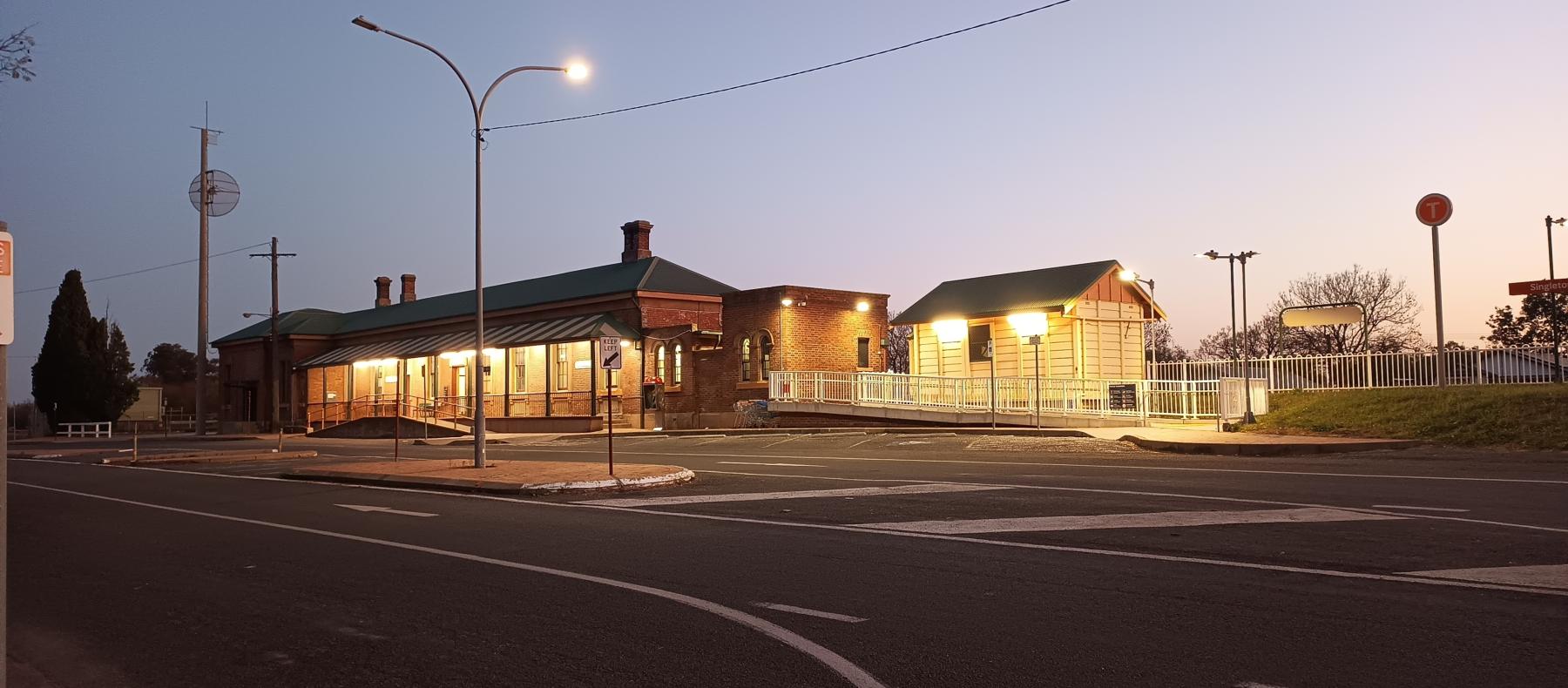
In the heart of the Hunter, with a population of around 18,000 people, Singleton has a long history of supporting the State’s energy and food supply, playing a critical role in powering New South Wales.
With strong local leadership from council, state and federal governments, Singleton is well-placed to diversify from traditional industry to growth sectors, leveraging its history, skilled workforce and natural assets to build a future-proof economy.
How Singleton is energising an evolving economy
Industry and manufacturing
Singleton’s existing workforce has decades of experience in manufacturing, engineering and trade. The region has a solid foundation to transition into sectors including:
- component manufacturing
- building solar panels
- batteries and maintaining grid infrastructure
- advanced materials processing
- circular economy
- food manufacturing and agriculture supply chain industry.
Agriculture
The surrounding floodplains in the Upper Hunter support productive agricultural sectors, including:
- beef cattle
- dairy farming
- viticulture (wine grapes).
This stabilises the region against commodity price fluctuations in mining.
Renewable Energy
With strong infrastructure and industrial land, Singleton and surrounds are part of the NSW Hunter-Central Coast Renewable Energy Zone (REZ). The Zone brings 2 new substations and upgrades to 85 km of sub-transmission lines, connecting renewable generation to the grid. This project will boost the construction sector and support the region over the next decade.
Defence
Singleton has a heavy history in defence and home to one of the Australian Defence Force’s major training bases, Lone Pine Barracks. Singleton welcomes a steady flow of Defence members who live in or visit the area for work and training, providing a substantial, stable economic presence.
The future is bold, while the past is honoured
The history of Singleton began long before European settlement. The Wonnarua (Wanaruah) people are the Traditional Custodians of the land and waters in and around the Upper Hunter, holding a connection to Country spanning millennia.
The area, named St. Patrick's Plain by settlers, grew rapidly as a key stopover point for northern expansion. Today, this heritage is visible in the town centre's beautifully preserved colonial architecture, including the courthouse, built in 1841, and gaol. Built in 1874, the gaol now serves as the local history museum. Visitors can explore artefacts from the town’s past, including mining equipment, vintage household goods, and memorabilia. These artefacts tell the story of Singleton’s proud and resourceful community.
Add in local attractions like the Singleton Arts and Cultural Centre, the massive Singleton Sundial, proximity to the Hunter’s famous wine region and recreational hotspots like Lake St Clair, and it’s clear that Singleton is a resilient town with a strong community. And, as the world moves towards net zero, this resourceful region has all the right makings to prosper through demonstrating diversity, resilience and innovation.