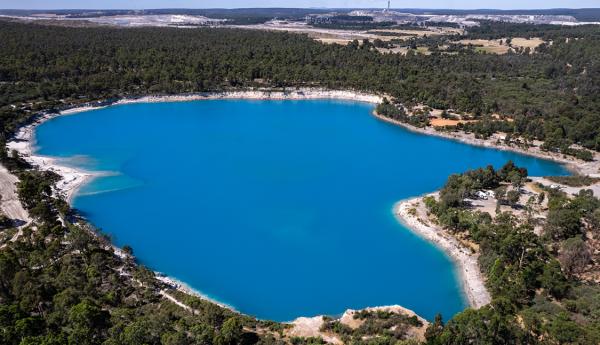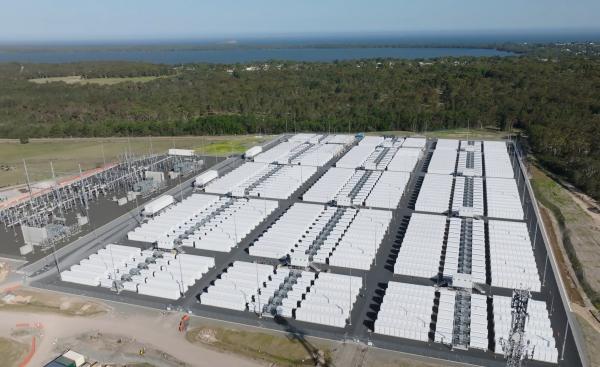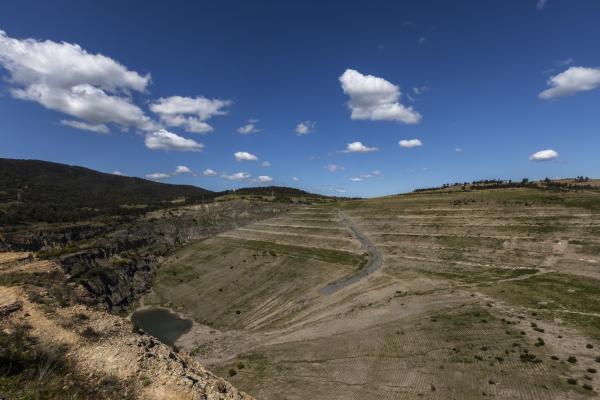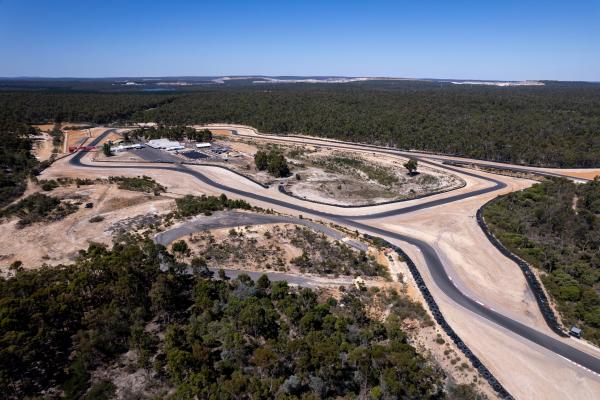
Across Australia, mining sites and coal- and gas-fired power stations are approaching the end of their operational lives.
These closures bring clear obligations for environmental rehabilitation. They also raise longer-term questions about what happens next, including how land and infrastructure are managed after closure, how long sites remain inactive, and whether they may be reused over time. Decisions made at, and after closure can shape environmental outcomes, workforce transition and regional land use for decades.
The NZEA commissioned independent research to develop an evidence-based understanding of how existing policy, legislative and regulatory settings influence rehabilitation and reuse outcomes for mining lands and power stations.
This research examines how current frameworks operate across jurisdictions and how they influence post-closure planning, approvals, timing of reuse and long-term risk management.
By setting out the current policy environment, the research supports understanding of how post-closure outcomes are shaped for communities and regions.
This research was delivered by Urbis, with specialist contributions from Norton Rose Fulbright on legislation, regulation and policy, and Indigenous Energy Australia, including engagement with First Nations perspectives on post-closure land use.