
Plugging into electrified transport options in the Hunter: Australian EVS is charging the region
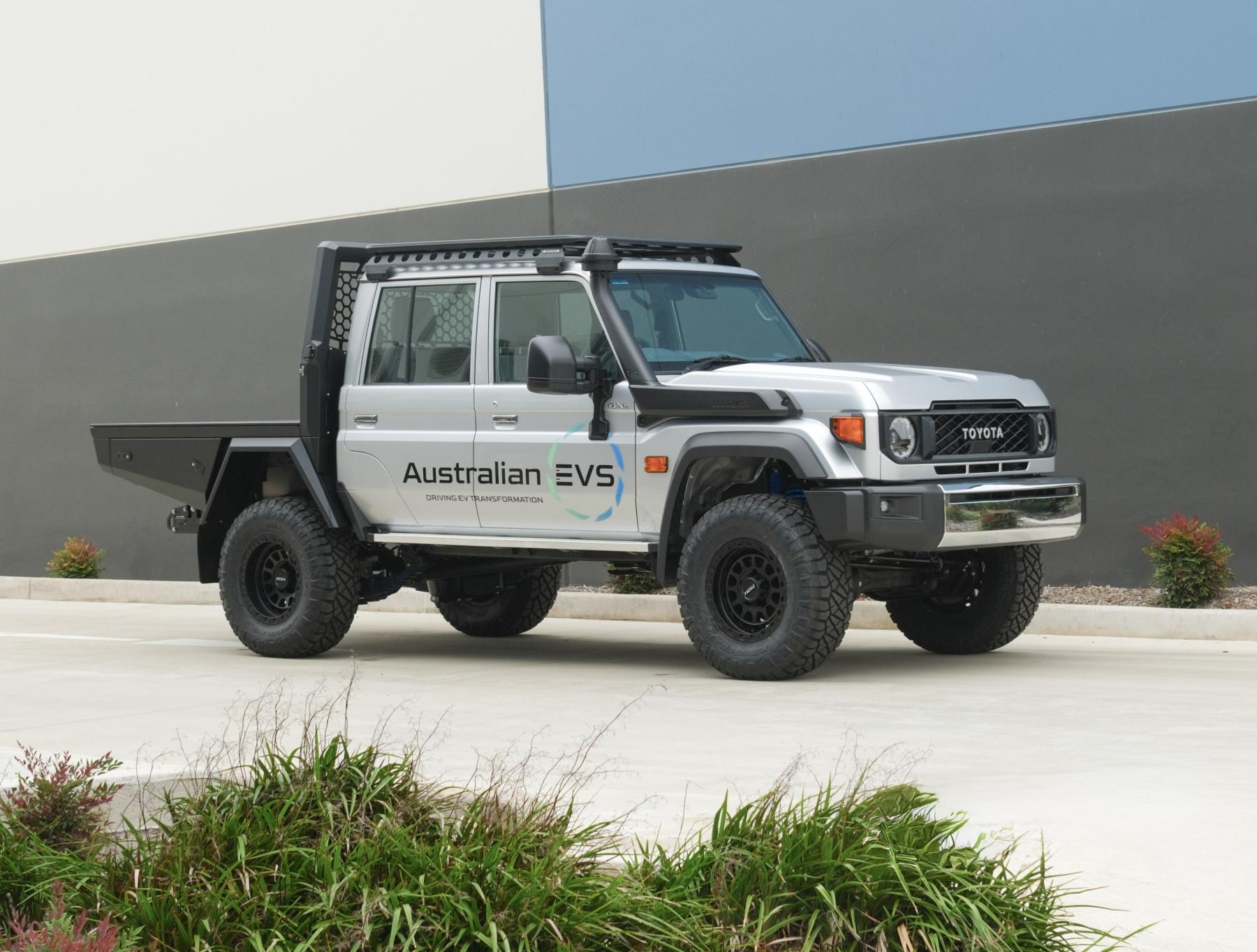
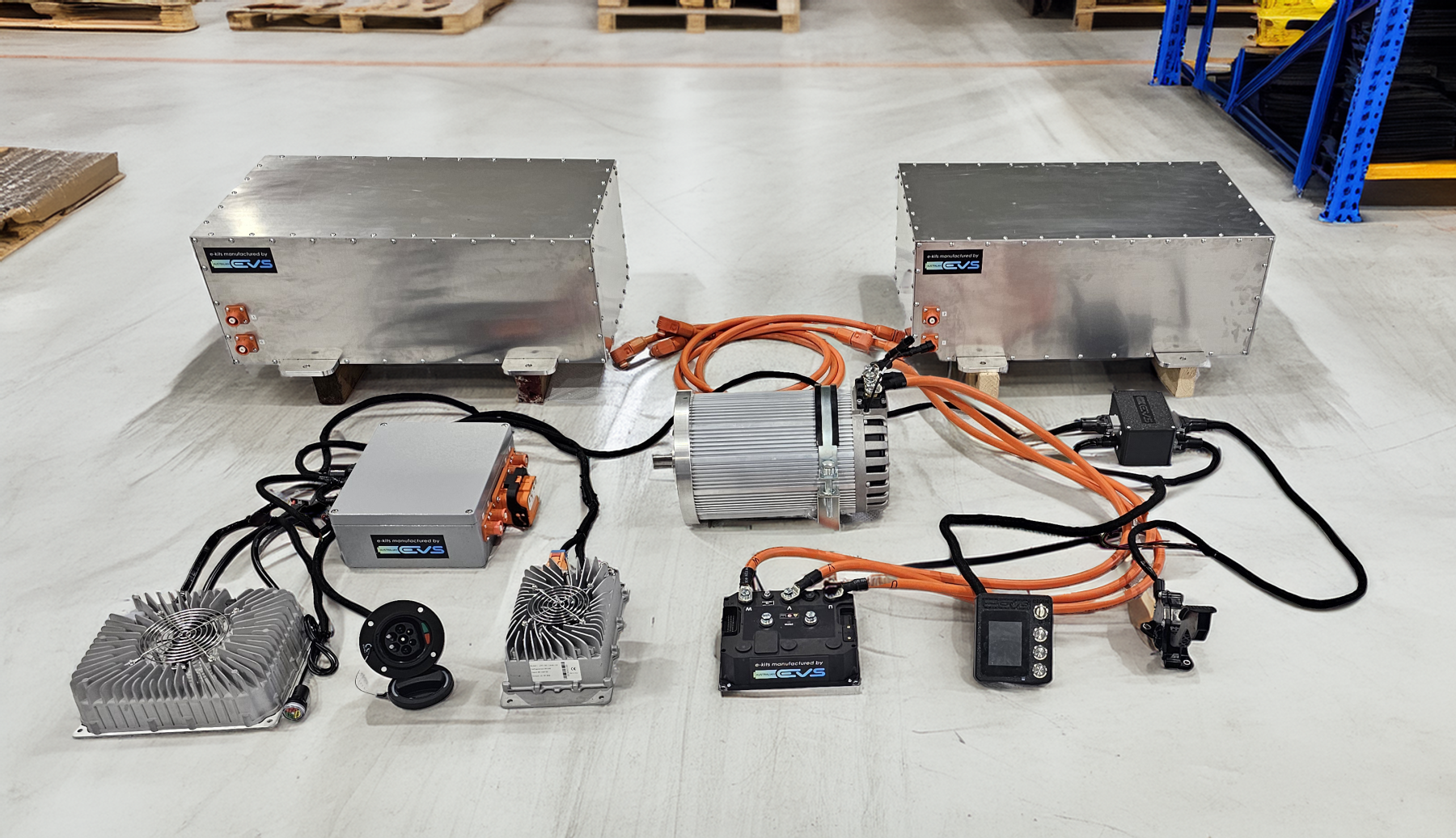
From Toyota Land Cruisers to buses, Australian Electric Vehicle Specialists (Australian EVS) are driving what low emissions transport looks like in the Hunter. The company engineers groundbreaking electric drive systems that can be fitted to existing vehicles and equipment, including large four-wheel drives, classic cars and commercial fleet vehicles.
Where Australian EVS started
Edwin Higginson, founder and director of Australian EVS has a background in commercial fleet management, with experience working at major companies like Woolworths and Qube Mining. When he moved into consulting, advising fleets on their transition pathway to zero emissions, he noticed a large gap in the market. Many Australian companies were wanting to lower their emissions, without increasing costs or slowing production.
Working closely with commercial fleets, Mr Higginson saw first-hand the operational demand facing the industry, alongside growing expectations to reduce emissions. This is where the idea to repower existing vehicles to electric was born, and Australian EVS was launched.
First and foremost, the team at Australian EVS are passionate car enthusiasts. They’re a mix of engineers, fleet specialists, auto electricians, fabricators and mechanics who believe electric vehicles are the way of the future. Not only because they produce less emissions but because of their power, technology, lower running costs and ability to withstand tough conditions.
Our driving force and passion comes from wanting to help regions in the Hunter reduce costs and improve operations in today’s market. Electric vehicles are the best way to do this and are way better than internal combustion engines in many situations - Edwin Higginson
More than conversions: building electric drive systems and portable charging stations
Australian EVS specialises in electric vehicle solutions that aren’t currently available off the shelf. Rather than rebuilding diesel or petrol engines, the team converts vehicles – often 20 to 30 years old – to electric power. This extends their working life while significantly reducing emissions. It also helps those looking for a specialised electric vehicle that cannot be purchased new from a manufacturer.
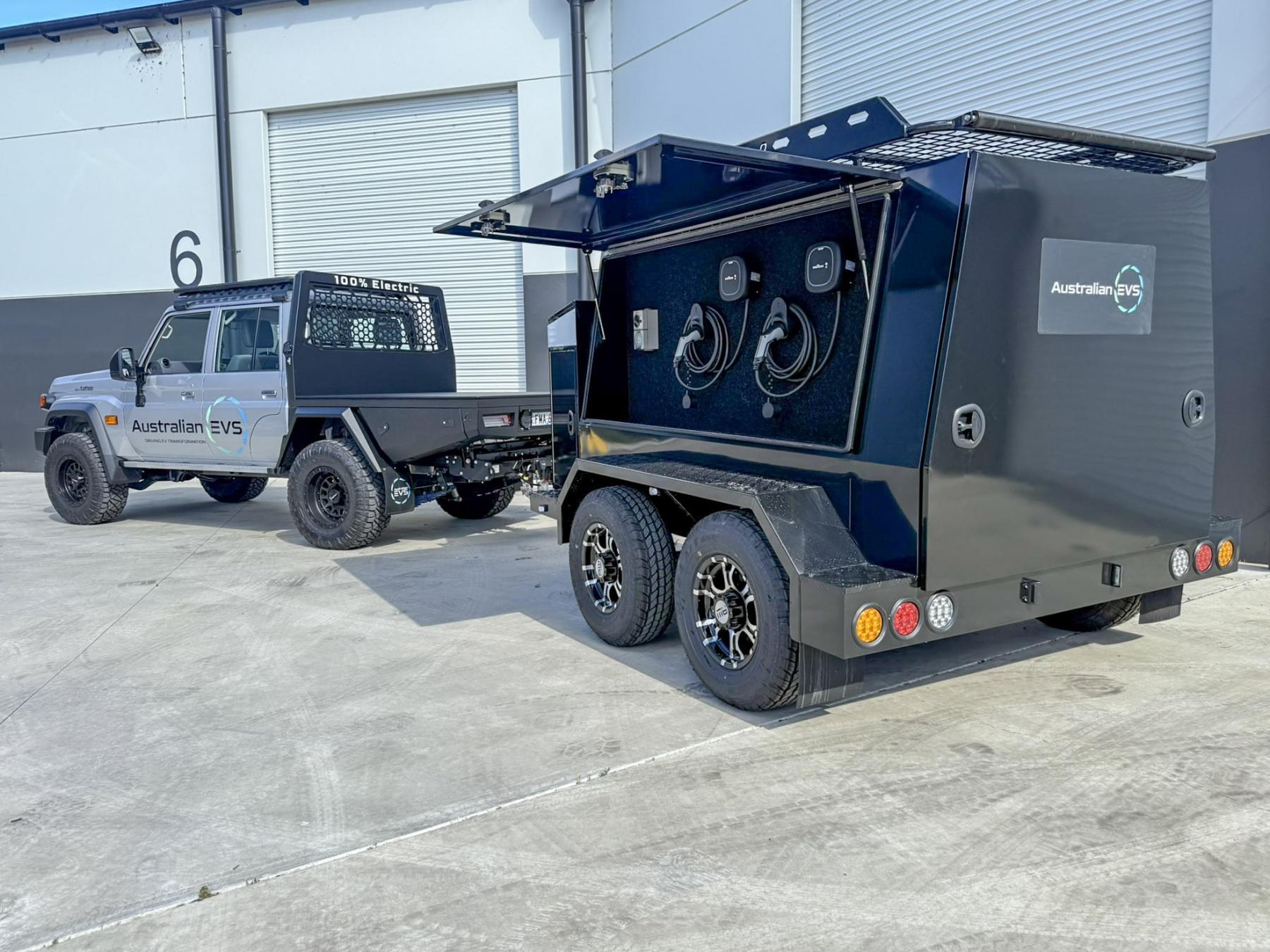
Their work spans classic cars, modern four-wheel drives, buses and specialised fleet vehicles. The company has also developed mobile energy storage trailers. These can be charged at a depot during the day and deployed on site in remote areas or construction sites to recharge electric vehicles and electric machinery.
Current projects include electric conversions of vehicles such as MGB, Jaguar E-Types, Porsches, Land Rovers and other legacy models. The team is also working on new Toyota Land Cruisers and Nissan Patrols, as well as partnerships with manufacturers to design and build custom electric platforms for commercial use.
They also continue to provide a range of EV Fleet Consulting projects to support companies looking to transition entire fleets to zero emissions.
How the Hunter charges Australian EVS forward
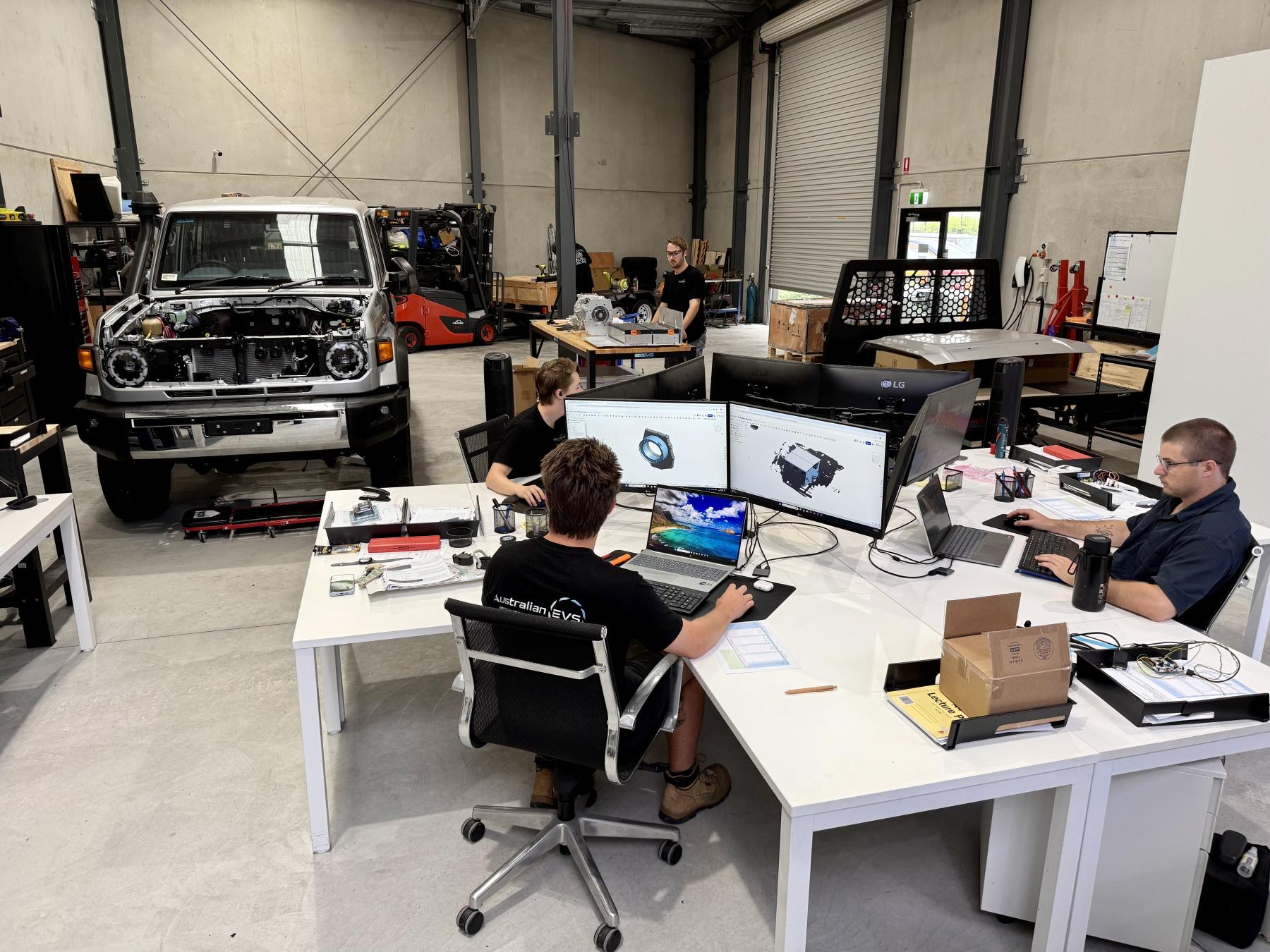
The Hunter’s robust industrial ecosystem and proximity to the University of Newcastle provides a significant advantage for companies like Australian EVS. The team can tap into a diverse, skilled workforce and a steady stream of engineering graduates. They also network through HunterNet, Austmine and Hunter Innovation Festival, attending a range of local events.
This has enabled the company to successfully scale their operations in a short time. What started as a small business and a one man show, is now growing rapidly. In 4 years, the company has grown to 16 staff members and doubled their workshop space.
All 5 engineers currently employed by Australian EVS have competed in the Formula Student, the world's largest engineering design competition as part of the NU Team. The engineers worked together to design and build an electric race car at University of Newcastle, bringing those unique skills to Australian EVS.
Reimagining an icon: The electric Land Cruiser 79 Series
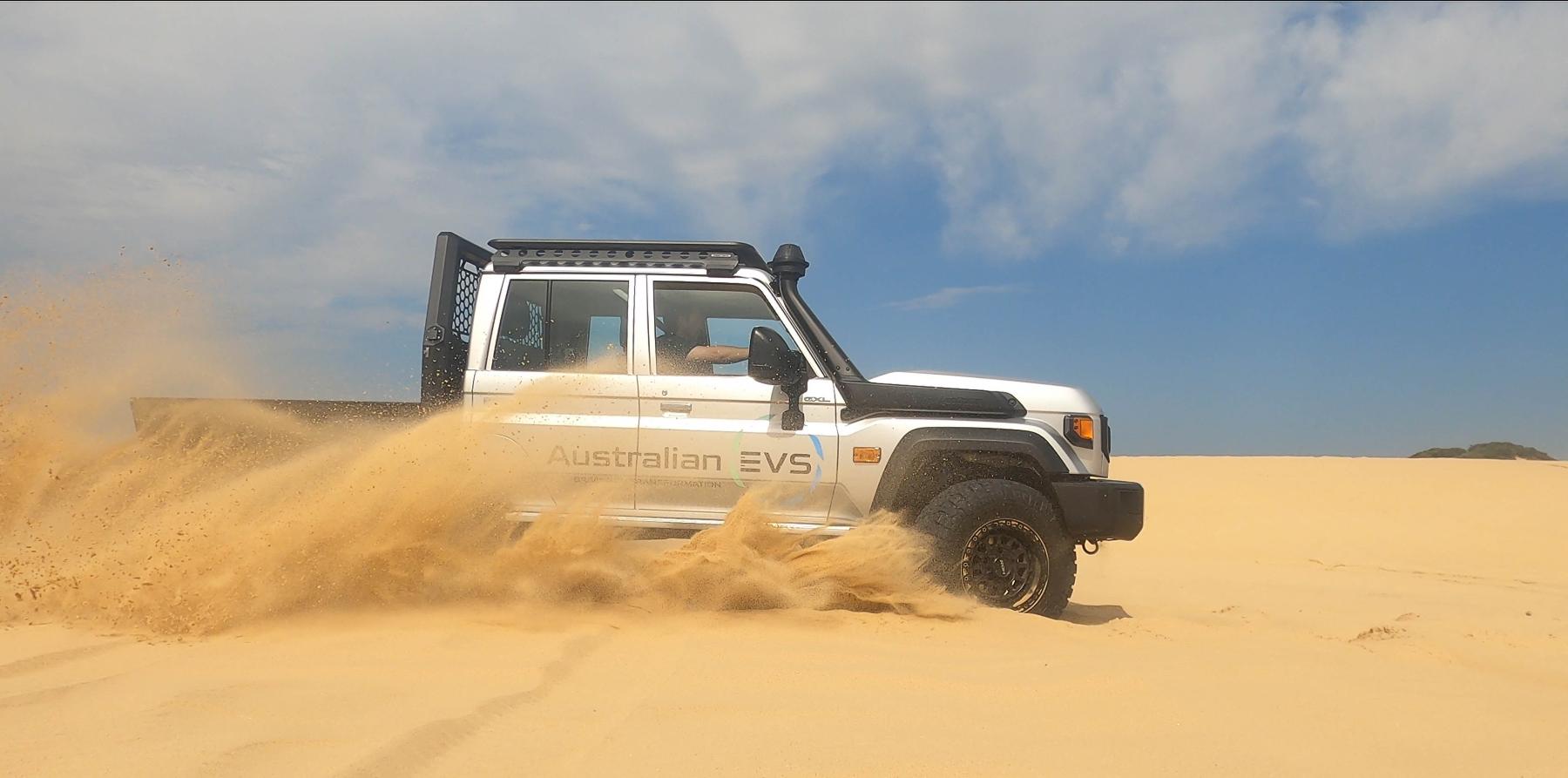
The Toyota Land Cruiser 79 Series is a staple of Australia’s construction and off-road sectors. Valued for its durability, reliability and off-road performance, electrifying a vehicle of this type while preserving its tough reputation has always seemed impractical.
However, the team at Australian EVS successfully converted a brand new 2025 Toyota Land Cruiser 79 Series to electric, providing 3 times more power than the V8 diesel, with a quarter of the running costs.
They integrated the original Toyota dashboard and vehicle controls into a fully electric system. This allows drivers to step straight out of a diesel vehicle and into an electric one, with a near-identical driving experience, more power and less noise.
The project demonstrated how fleet electrification does not mean starting from scratch or sacrificing performance. By upgrading existing vehicles, Australian EVS is providing a realistic pathway for emissions reduction in sectors where reliability and capability are non-negotiable.
The result is a proof point for industry, showing net zero transport solutions can work in the toughest conditions Australia has to offer, reflecting a broader shift underway across the economy.
Recognised for innovation and leadership
Australian EVS has been recognised at regional and state levels. In 2025, the company was named Outstanding Start-Up Business of the Year at the Hunter Manufacturing Awards, acknowledging its innovation, growth and contribution to the manufacturing sector.
The business has also received formal recognition from the Legislative Assembly of the NSW Parliament, recognising its leadership in electric vehicle innovation and its contribution to the state’s clean energy and transport transition.
By combining deep industry experience, advanced manufacturing and practical transport solutions, Australian EVS shows how regional businesses can create new opportunities, retain skills and lead the way toward a net zero future.