
Australia’s energy transition – what happens to power stations?
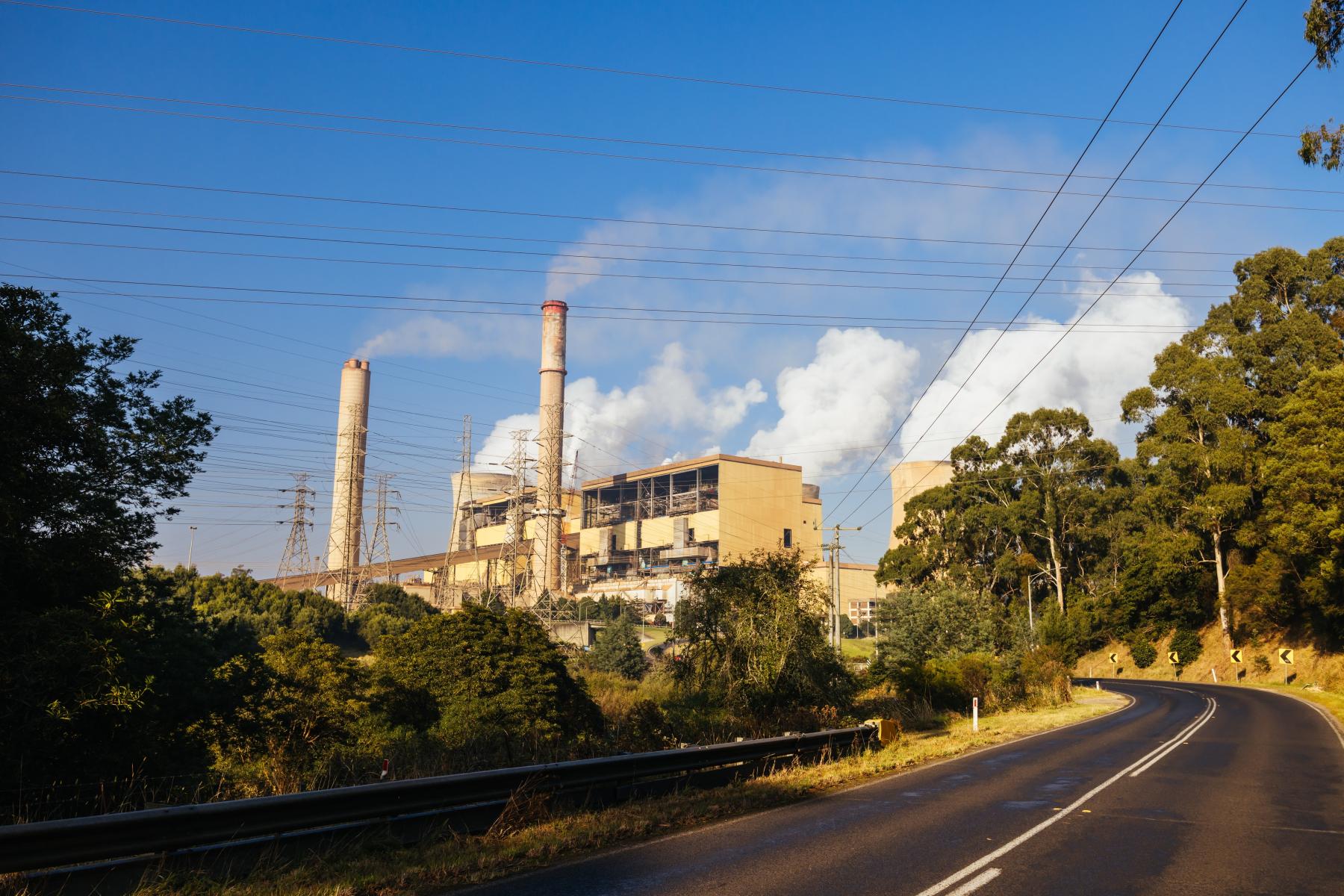
As Australia transitions to net zero by 2050, our coal-fired power stations will gradually close and our energy will come from renewable sources, like wind and solar.
This change will happen over time.
The Net Zero Economy Authority is supporting regions with closing power stations to ensure workers can move to new employment and there are new economic opportunities in the regions.
Find out everything you need to know about coal- and gas-fired power station closures below.
Why are coal-fired power stations in Australia closing?
Australia is transitioning from coal-fired power to cleaner renewables, such as wind and solar. Coal-fired power stations are ageing, becoming very costly to run and are facing reliability issues.
Moving to renewable energy will create a more reliable, affordable and clean energy system.
Who decides when a power station closes?
The owner of the coal- or gas-fired power station determines when it will close. These decisions are up to the businesses or state governments that own the facility.
For power stations in the National Electricity Market, owners must notify the Australian Energy Market Operator at least 3.5 years in advance of the intended closure date.
Is renewable energy in Australia growing?
Yes. In 2024, renewable energy made up 40% of our energy needs. More energy from renewables is being added to our electricity grid each year.
In September 2025, energy from renewables overtook coal on a monthly basis for the first time. Renewables produced 48.8% generation, while coal was 47.6%.
Why are some power stations extending their closing date?
Each business or state government will have different commercial or operational reasons for extending the life of a coal-fired power station. In some cases, this may be because there is not enough power from renewables connected to the grid, so the station may need to stay operational for longer until new forms of power are ready.
Extending power stations is a costly exercise though, as maintenance of an already ageing station can be high.
How will power station workers be supported?
When a power station is scheduled to close, the Net Zero Economy Authority conducts a thorough assessment to determine whether the Energy Industry Jobs Plan (EIJP) is required to support directly impacted workers.
What is the Energy Industry Jobs Plan (EIJP)?
The EIJP is a framework to support employees in closing coal-fired and gas-fired power stations and dependent businesses to prepare for and find their next job. It ensures that:
- employers provide impacted workers with training, financial and career advice, and flexible work arrangements or paid leave to access these supports
- supports are implemented well ahead of a plant closure so that workers have time to retrain and are supported to find alternative employment.
The EIJP is about making sure workers aren’t left behind and that communities have the help they need to adjust and keep moving forward as Australia works towards a net zero economy.
Find out more about the supports via the EIJP here.
If a coal-fired power station closes, will we have more blackouts?
Coal-fired power station closures will not necessarily mean there will be more blackouts.
Ideally, as coal-fired power stations close, there will be enough alternative energy flowing into the grid to prevent blackouts.
Renewable energy is a reliable source of energy. Climate Council commissioned research found that outages from coal have been a primary driver of power outage warnings in recent years (particularly during summer).
Don’t we need coal-fired power stations for when renewable technology doesn’t have enough, or has too much, power output?
Batteries will play a large role in the energy transition and will be important when there is too little or too much power generation.
When there is too little power, like on a cloudy day, the electricity grid can rely on stored power in batteries or flexible gas-fired power plants that can be turned on. When there is too much power, the excess can be stored in a battery or not put into the grid (spilled), to ensure it is not overloaded.
What happens to the land once the coal-fired power station closes? Can it be repurposed?
Depending on the business and their intentions for the area, as well as how the business may work with local Governments, it may be repurposed. For example, in WA, the former Kwinana coal-fired power station is now home to Synergy’s renewable battery energy storage system and 3 gas turbines. Synergy is in the process of removing the chimney stacks as they are no longer in use, transforming the look of the area.
The Authority has commissioned Urbis to undertake research into the legislation and regulations governing the rehabilitation and reuse of mines and coal- and gas-fired power stations across Australia. The research looks at the opportunities and challenges surrounding rehabilitation and reuse and will provide an important insight into what future directions governments can take to improve rehabilitation and reuse outcomes.
Workers planning their future
Adrian Taylor works at one of Collie’s power stations as a control room operator. But as the town shifts away from coal and its planned retirement draws closer, employees are preparing for their futures.
Read Adrian’s story: Making the transition from power station to drones | nzea